
Someone just went ahead and rebuilt Photoshop. And Premiere, Lightroom, Illustrator, After Effects, InDesign and Acrobat while they were at it. Free, open source and largely programmed by an AI. Under the name ArtCraft, the project is causing quite a stir right now. Probably because of the good old David versus Goliath story, since what AI coding makes possible these days should be on everyone’s lips by now.
What happened?
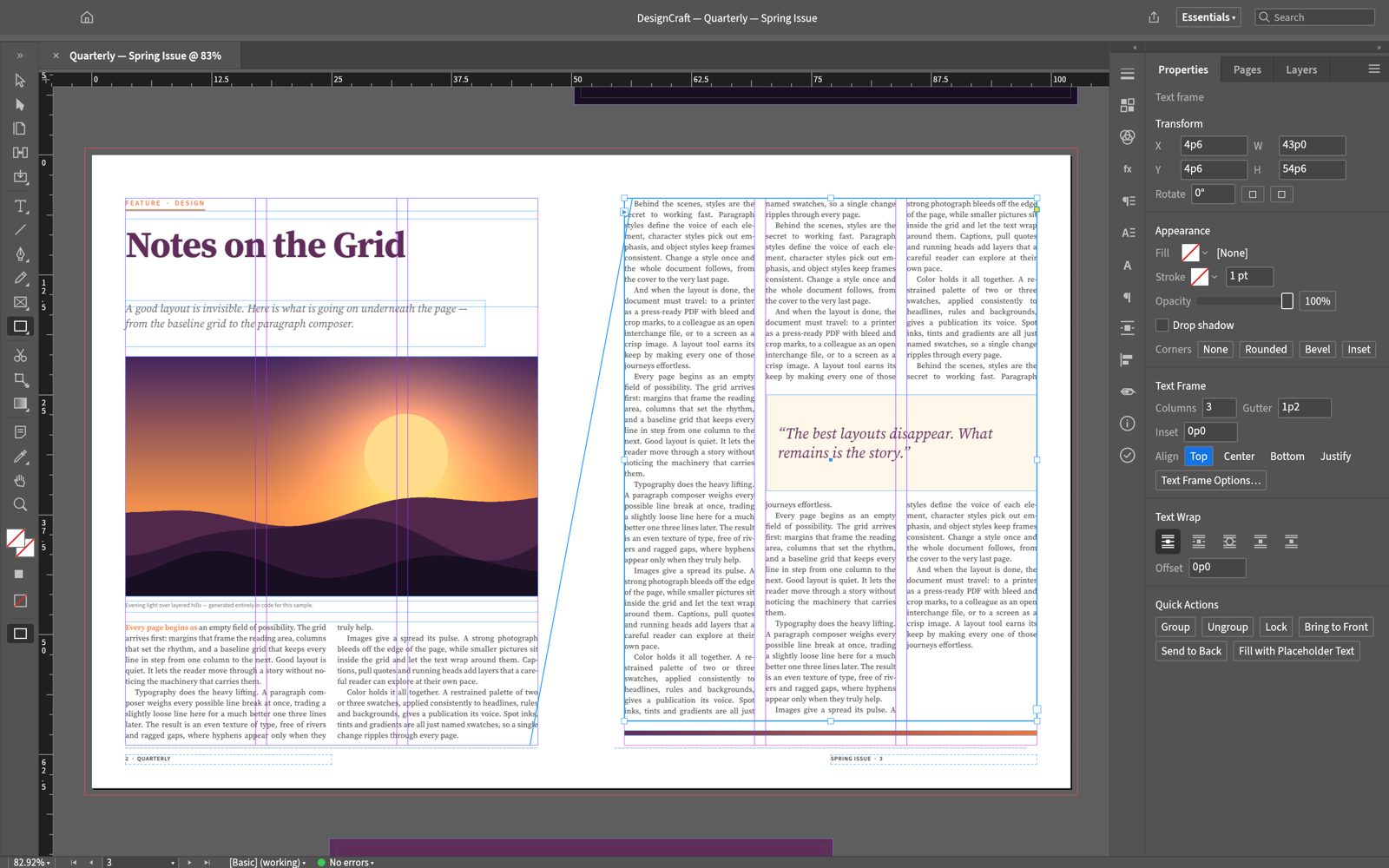
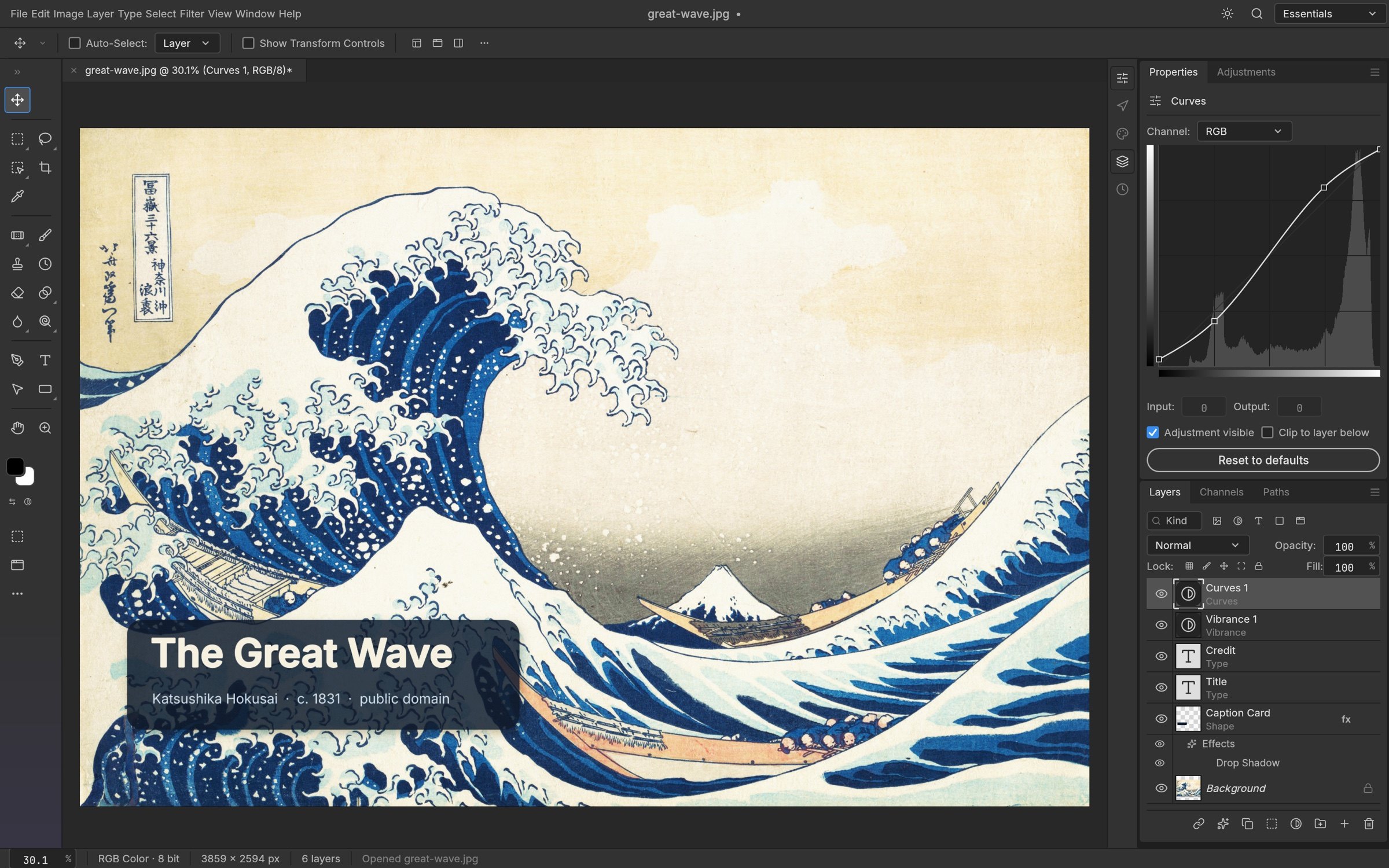
At the end of September, the first seven “Craft” apps were released (in German): PhotoCraft for image editing, VectorCraft for vector graphics, FilmCraft for video editing, LightCraft for RAW development and photo management, EffectCraft for motion graphics, DesignCraft for layout and a PDF app called PdfCraft. Anyone at home in the Adobe world will recognize the pattern immediately.
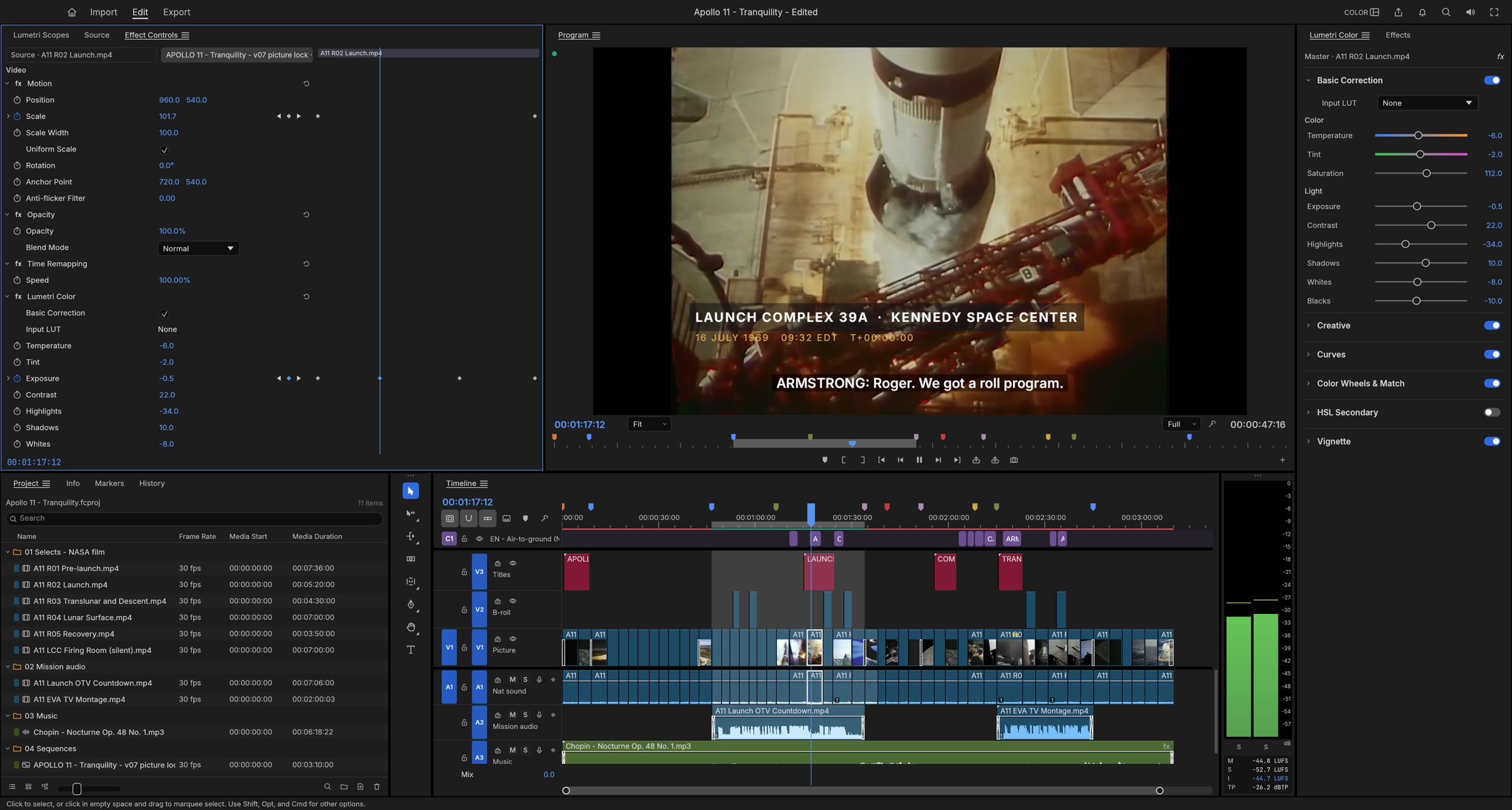
The programs are written in Rust, run natively on Windows, macOS and Linux and are released under the Apache 2.0 license. A considerable part of the code comes from Claude Opus, Anthropic’s AI model. The apps themselves cost nothing. ArtCraft makes its money with a separate AI studio for images and videos, with subscriptions between 8 and 48 US dollars a month.
Who is behind ArtCraft?
Despite what the name might suggest, ArtCraft is not an artists’ collective. Behind it is a company from Atlanta that used to be called Storyteller.ai. Its founder is the long-time Rust developer Brandon Thomas. As his trigger, he names of all things the cancellation fee Adobe charges for leaving an annual subscription early.
Brandon Thomas isn’t on his own anymore, though. On GitHub, more than 70 people have already contributed “their own” code to PhotoCraft, and the project has collected well over 60,000 GitHub stars there. That’s a lot of attention for software in alpha.
Is it any good yet?
It depends on who you ask. Robert Kneschke tried PhotoCraft on his blog Alltag eines Fotoproduzenten (in German) and is surprisingly impressed: PSD files of up to 3.8 GB opened without any problems, adjustment layers and masks were recognized correctly, and the program starts much faster than Photoshop. The program folder is around 150 MB, while Photoshop comes in at over 5 GB.
The review by drohnen.de (in German) is much more critical. It gives 67 out of 100 points. The user interface gets top marks, but performance and stability still fall short. When saving PSD files, only about half of the test files matched Photoshop. Generative AI features like those in Photoshop are missing entirely. So it’s good enough for occasional users, but probably not for professional work yet. That’s why Photoshop trainer Brownz (in German) isn’t canceling his subscription for now either.
Is this even allowed? “It depends”
I find the legal question more exciting than the feature set. The German broadcaster WDR asked IT lawyer Niklas Mühleis about it (in German), and the answer is as legally vague as you’d expect. Rebuilding features is generally allowed as long as you write your own source code. That’s the case with ArtCraft’s “clean room” approach: the AI models don’t see the code, but operate the software to define the requirements and then write the source code. For software, copyright protects the specific code, not the idea behind it. The user interface is riskier. According to Mühleis, it’s strongly reminiscent of Photoshop, and copying too much of it could raise copyright, trademark or design right issues.
That’s in line with case law in Europe. In 2012, the European Court of Justice ruled in SAS Institute v. World Programming (in German) that a program’s functionality, its programming language and its file formats are not protected by copyright. A graphical user interface, on the other hand, can be protected as a work in its own right if it is its author’s own intellectual creation. The Court had already established that in 2010 (in German). On top of that come trademark law, patents and Adobe’s terms of use, which explicitly prohibit rebuilding its products. How much of that would hold up in an EU court is another question, though. In ArtCraft’s case, the whole thing would play out in US courts anyway.
We’ve been here before
If you dig into this out of curiosity, you’ll come across the “look and feel” disputes of the 80s and 90s. Back then, Lotus sued several vendors that had copied the menu of its spreadsheet Lotus 1-2-3. Against Paperback Software, Lotus still won in 1990. Against Borland and its Quattro Pro, Lotus lost before the court of appeals in 1995: a menu structure is a method of operation and therefore not protected by copyright. In 1996, the Supreme Court split 4 to 4, so the ruling stood.
Even better known is Apple v. Microsoft. Starting in 1988, Apple accused Microsoft of copying the look and feel of the Macintosh with Windows. After years of back and forth, Apple finally lost in 1994. Most of the elements in question were considered unprotectable or were covered by an old license.
And then there’s one case that fits particularly well here: Adobe v. Macromedia. Adobe held a patent on tabbed palettes, the grouped panels with tabs we all know from Photoshop. Macromedia had used them in its programs as well. In 2002, a US jury awarded Adobe around 2.8 million US dollars in damages. Three years later, Adobe simply bought Macromedia for about 3.4 billion dollars.
Can ArtCraft defend itself against Adobe?
I’m not a lawyer, but I’ll venture an assessment. At the actual core, meaning its own code, rebuilt features and opening PSD files, ArtCraft is on safe ground in my view. Adobe even publishes the specification of the PSD format itself. More vulnerable is the user interface, which comes very close to Photoshop, possibly redrawn icons, names and, above all, Adobe’s patents in the US, which might be infringed.
The practical side deserves at least as much attention. You have to be able to afford a legal battle with Adobe, and a company with a handful of people is likely at a clear disadvantage. On the other hand, open source code can hardly be reined back in, and the next person will simply keep building the project. Photopea shows that Adobe doesn’t automatically sue over look-alikes: the browser-based editor has looked very much like Photoshop for years, and I couldn’t find any lawsuit about it. Adobe hasn’t commented publicly on ArtCraft yet either. I doubt they will.
Conclusion
ArtCraft is still a long way from being a Photoshop replacement for professionals. But the project shows how quickly AI can now build software that used to require large teams. LinuxNews.de (in German) rightly asks whether the business model of expensive proprietary software is starting to falter. There’s a reason people are talking about the SaaSpocalypse.
Featured image: FY Chang on Unsplash
This post is also available in:  Deutsch
